Ranking a law firm locally is a different game than ranking a national brand. Google's local pack is dominated by three signals — proximity, prominence, and relevance — and 90% of the leverage is in things you can do yourself in a week. This is the playbook we run for every law firm we onboard.
Step 1: Claim and complete the Google Business Profile
If you have not claimed your GBP, stop reading and do it now. It is the single highest-leverage local SEO action.
Once claimed:
- Set primary category to your exact practice (e.g., "Personal Injury Attorney", not just "Law Firm")
- Add every secondary category that applies
- Fill every field: hours, service areas, attributes ("Online appointments", "Wheelchair accessible")
- Upload 20+ photos: exterior, interior, team, in-office consultations
- Write a full 750-character business description with 2–3 target keywords woven in naturally
Step 2: Get reviews — steadily, not in bursts
Google penalizes suspicious review patterns. Aim for a steady 2–5 new reviews per month rather than 40 in one week. The fastest legitimate way:
- After every consultation, send a text with a direct GBP review link.
- Include the client's first name in the message ("Hi Maria, thanks for coming in — a review would help other Houston families find us: [link]").
- Reply publicly to every review, positive and negative. Bar-compliant replies build trust.
Target: 30+ reviews with 4.7+ star average. Firms below 15 reviews in competitive metros do not rank.
Step 3: On-page local signals
Every page on your site should carry local context. On the home page and each practice area page:
- Mention specific counties and metros you serve (Harris County, DFW, Travis County)
- Embed a Google Map of your office
- Add
LocalBusiness/Attorneyschema markup with NAP (name, address, phone) - Wire
sameAslinks to your LinkedIn, Avvo, Martindale, and state bar profile
Firms that never mention their city or county in body copy are asking Google to guess where they practice. Do not make Google guess.
Step 4: Build metro landing pages
If you serve multiple cities within a state — Houston, Dallas, Austin, San Antonio — build a dedicated page for each. Each page should:
- Have a unique H1 with the city name
- Include specific local context (courthouses, notable case types, demographics)
- Link to relevant <a href="/blog/personal-injury-attorney-website-features/">practice area pages</a>
- Carry unique testimonials or case examples from that metro
- Have a unique meta title and description
Avoid the trap of publishing 20 near-identical pages with just the city name swapped. Google's Helpful Content update penalizes that pattern.
Step 5: Citation building (still matters)
NAP consistency across the top legal directories still moves the needle. Prioritize:
- Avvo
- Martindale-Hubbell
- FindLaw
- Justia
- Nolo
- Your state bar directory
- Local chambers of commerce
- BBB
Use the same phone number, address, and firm name exactly. Small variations ("Suite 200" vs "Ste. 200") fragment your authority.
Step 6: Content that answers local intent
Publish articles targeting "[practice area] + [city]" queries with real local substance:
- "How long does a personal injury case take in Harris County?"
- "Uncontested divorce process in Dallas: step-by-step"
- "Filing a DACA renewal in the Houston USCIS field office"
These posts rank for hyper-specific queries where big directory sites can't compete.
Step 7: Technical SEO fundamentals
Local rankings still depend on the same <a href="/blog/law-firm-website-mistakes/">technical basics</a> that global rankings do:
- Site loads in under 3 seconds on mobile
- Passes Google's Core Web Vitals
- Semantic HTML5 throughout
- Clean XML sitemap submitted to Search Console
- HTTPS everywhere
- No duplicate content across metro pages
Step 8: Measure and iterate monthly
Track:
- GBP impressions, calls, direction requests
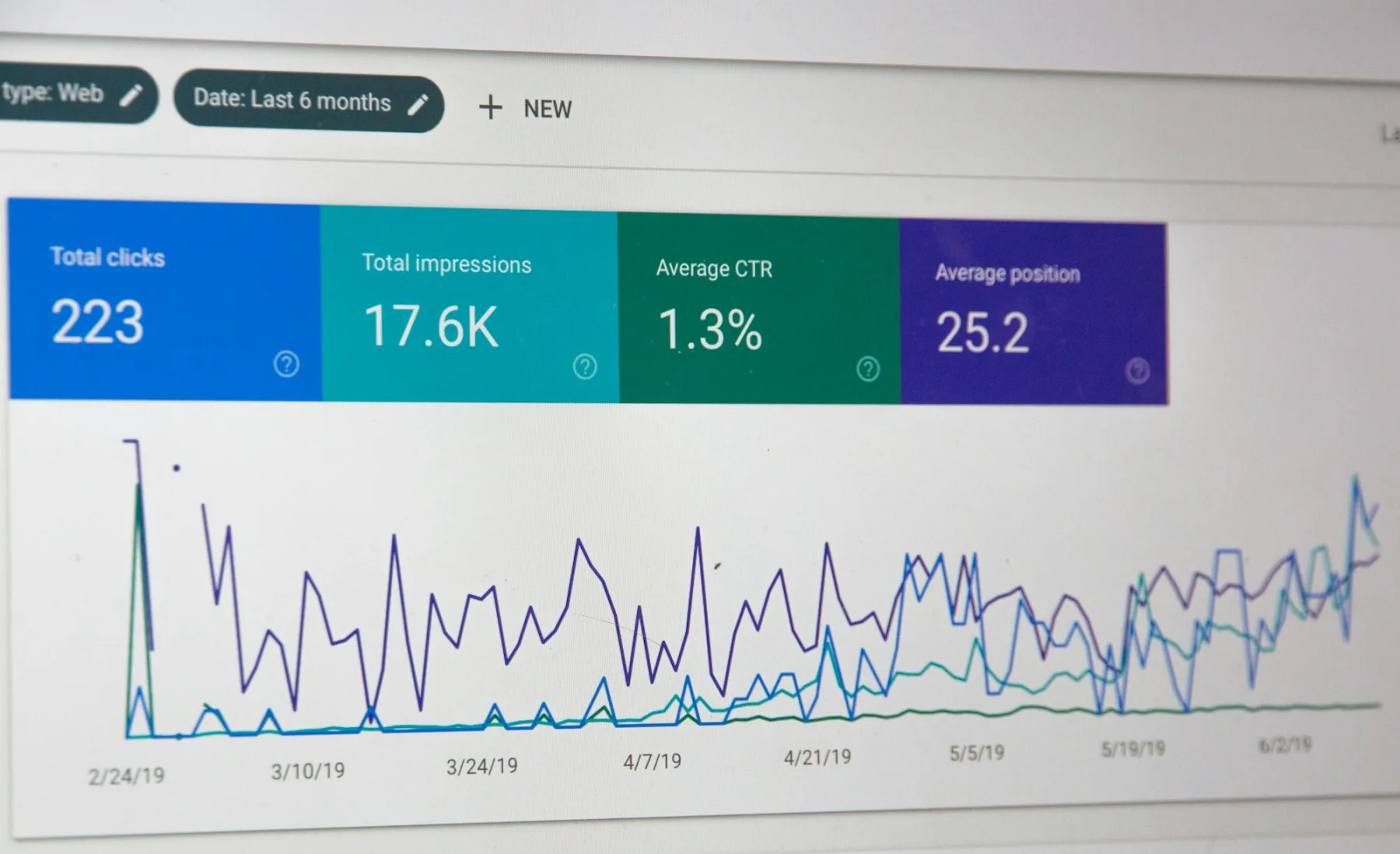
- Search Console impressions and average position for target queries
- Time-to-first-response on new intake
- Booked consultations per source
Adjust one variable per month. Local SEO is a compounding game — small consistent wins beat sporadic big pushes.
Where firms most often go wrong
- Chasing national keywords they can't win instead of dominating their county
- Over-optimizing anchor text and getting caught in Google's spam filters
- Publishing thin metro pages
- Ignoring reviews for months
- Buying links instead of earning citations
The 90-day sprint
If you started today, week-by-week:
- Weeks 1–2: Claim GBP, complete all fields, upload 20+ photos, set review-request text
- Weeks 3–4: Add local schema, embed maps, mention counties and metros site-wide
- Weeks 5–8: Build one metro landing page per city with real local content
- Weeks 9–12: Publish 4 city-specific practice area articles
By month three, most firms see a 30–60% lift in GBP impressions and a measurable bump in organic intake. Want us to run this for you? <a href="/#contact">Book a free consultation</a> and we will map out your 90 days.